
Kontext a dopady akvizície VMware
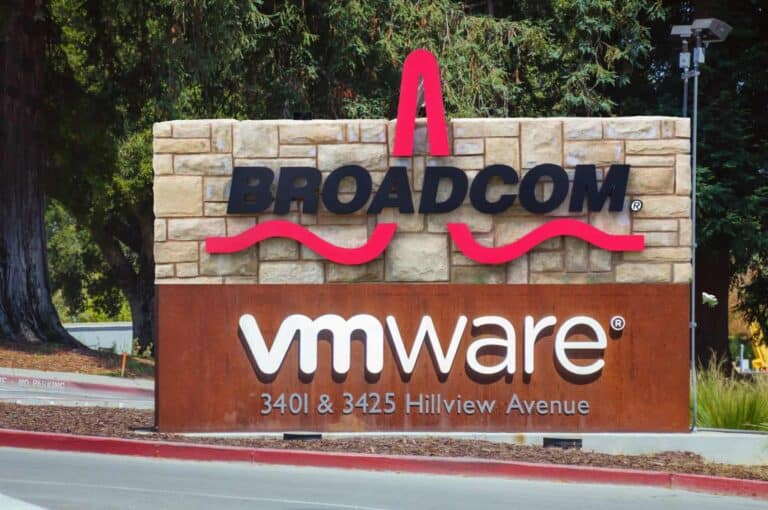
Akvizícia VMware za 69 miliárd dolárov priniesla Broadcomu silnú pozíciu v oblasti virtualizácie, keďže teraz ovláda až 90 % tohto trhu. To mu umožňuje kontrolovať ceny a podmienky, čo vyvolalo obavy z výrazného zvýšenia cien služieb VMware.
Po dokončení akvizície spoločnosti VMware firmou Broadcom došlo k viacerým zmenám v smerovaní VMware. Broadcom oznámil výrazné zníženie počtu zamestnancov VMware a zároveň zásadnú revíziu produktového portfólia, pričom sa zameriava na balíkovanie produktov. Dôležitou zmenou je tiež prechod na model predplatného, čo signalizuje odklon od trvalých licencií.
Broadcom sa plánuje sústrediť hlavne na 2000 najväčších zákazníkov, čo znamená výrazné obmedzenie prístupu pre menších klientov. V súvislosti s touto stratégiou ukončuje aj existujúci partnerský program VMware, ktorý zahŕňal viac než 65 000 partnerov po celom svete.
Dopad na obchodnú stratégiu a IT infraštruktúru
Akvizícia priniesla aj výrazné zvýšenie nákladov – podľa správy od Business Insidera stúpli licenčné poplatky o 50 % až 500 %, čo vyvoláva pocit, že zákazníci sú „držaní ako rukojemníci.“ Tento prudký nárast prevádzkových nákladov, spolu s obavami o zníženú dostupnosť podpory a prístup k VMware platforme, vedie k tomu, že viac než 50 % zákazníkov VMware podľa prieskumu od Civo zvažuje odchod. Organizácie hlboko začlenené do ekosystému VMware možno budú musieť posúdiť, či je udržateľné pokračovať na tejto ceste, alebo začať diverzifikovať svoju infraštruktúru.
To zahŕňa zváženie alternatívnych platforiem podporujúcich hybridný cloud, privátny cloud alebo cloud-native architektúry.
Príklady z odvetvovej praxe
Sektory ako financie a telekomunikácie už začali presúvať svoje infraštruktúry založené na VMware k cloud-native riešeniam a využívajú nástroje ako Kubernetes pre lepšiu orchestráciu kontajnerov a Red Hat OpenShift pre hybridnú flexibilitu. Tento trend podčiarkuje postupný odklon od tradičnej virtualizácie k agilnejším, škálovateľnejším cloud-native prístupom.
Presun na alternatívy je však technicky a organizačne náročný, čo kladie zvýšené nároky na zákazníkov, aby si pripravili záložné plány.
Výhody prechodu na cloud-native
Prechod z VMware na cloud-native riešenia prináša firmám nové možnosti, ktoré tradičná virtualizácia nedokáže ponúknuť. Zatiaľ čo virtualizácia na platformách ako VMware umožňuje efektívne využívať vlastnú infraštruktúru, cloud-native riešenia poskytujú prístup k dynamicky škálovateľným zdrojom na požiadanie.
Firmy tak môžu flexibilne reagovať na aktuálne potreby bez nutnosti investovať do nákladného hardvéru. Tento prístup nielen znižuje vstupné náklady, ale tiež umožňuje lepšie využívať inovácie, ako sú automatizácia, AI a big data.
Prechod na cloud-native alebo hybridné riešenie prináša značné výhody, predovšetkým v oblasti flexibility a nákladovej efektívnosti. Firmy si môžu vybrať model – verejný cloud, privátny cloud alebo hybridné riešenie – ktorý najlepšie vyhovuje ich potrebám a rozpočtu. Ak sa migrácia vykoná správne, pomocou osvedčených postupov, môže byť prechod hladký a bez narušenia bežných činností.
IT tímy sa môžu na nové prostredie pripraviť vďaka školeniam a definovaným zručnostiam, čo minimalizuje prestoje a zabezpečuje plynulý chod hneď od začiatku. Presun na cloud-native riešenia zároveň firmám umožňuje lepšie reagovať na meniace sa trhové podmienky, využívať inovácie a dlhodobo si udržiavať konkurencieschopnosť v dynamickom prostredí.

Zdroj: apriorit.com
Potrebujete sa poradiť
pri migrácii z VMWARE?
Dohodnite si s nami bezplatnú konzultáciu ešte dnes!
Bezplatná konzultácia
Kľúčové možnosti a stratégie prechodu na cloud-native
Prechod z VMware na cloudovú natívnu infraštruktúru si vyžaduje premyslené plánovanie, aby sa zabezpečilo, že zvolené riešenia budú v súlade s cieľmi vašej organizácie. Dve významné cesty, ktoré je potrebné zvážiť, sú prijatie služieb AWS alebo Red Hat OpenShift na AWS (ROSA) s možnosťou lokálneho OpenShift pre hybridné potreby. Poďme preskúmať tieto alternatívy a kľúčové migračné stratégie so zameraním na rehosting, replatforming a modernizáciu.
Migrácia s AWS a Red Hat OpenShift (ROSA) pre cloud-native infraštruktúru
AWS poskytuje komplexné spravované služby pre jednoduchú a škálovateľnú cloudovú migráciu cez kontajnerové pracovné zaťaženia až po serverless aplikácie s AWS Lambda. Umožňuje tiež flexibilné ukladanie dát, zatiaľ čo spravované databázy zjednodušujú škálovateľnosť a minimalizujú prestoje.
Pre organizácie s Kubernetes skúsenosťami ROSA kombinuje OpenShift na platforme AWS, čím zjednodušuje správu kontajnerových aplikácií, zatiaľ čo OpenShift on-premises poskytuje hybridné možnosti pre firmy s potrebou lokálneho nasadenia a dátovej suverenity.
Rehost, replatform, modernizácia
Migrácia z VMware do cloudu začína často rehostingom alebo replatformovaním.
- Rehost (Lift & Shift) rýchlo presúva aplikácie do cloudu s minimálnymi úpravami, čo umožňuje rýchle nasadenie pomocou služieb ako Amazon EC2.
- Replatform (Lift & Reshape) zahŕňa menšie optimalizácie na využitie cloudových funkcií bez zásadných zmien architektúry.
Po týchto krokoch je ďalšou fázou modernizácia, kde sa aplikácie adaptujú na cloud-native architektúry (napr. serverless alebo mikroslužby), čo zvyšuje ich flexibilitu a výkonnosť.
Kľúčové fázy migračného procesu
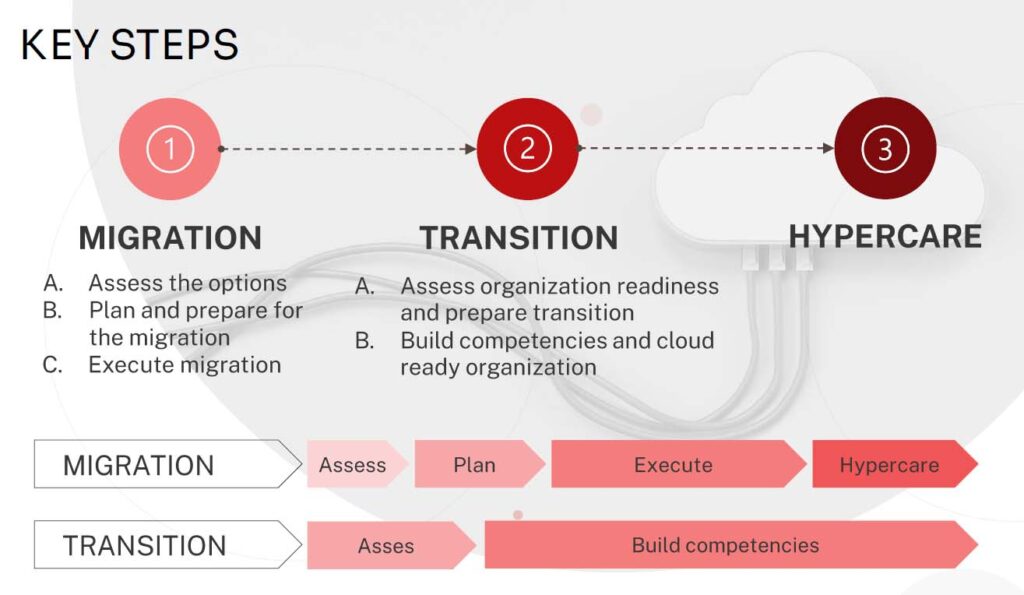
Migračný proces sa skladá z troch kľúčových etáp: migrácia, tranzícia a hyper-podpora. Počas migrácie sa hodnotia a mapujú aplikácie a zdroje VMware na služby AWS, pričom sa pripravuje postup migrácie. Prechodová fáza posudzuje pripravenosť organizácie na prevádzku v cloude, buduje cloudový tím a zefektívňuje pracovné postupy. V záverečnej fáze, hypercare, je zabezpečená intenzívna podpora na riešenie problémov, doplnenie zručností a stabilizáciu operácií.
Plánovanie migrácie začína dôkladným posúdením prostredia VMware, závislostí a výpočtových a úložných potrieb, pričom AWS nástroje, ako Migration Hub a Application Migration Service, uľahčujú proces a poskytujú možnosti automatizácie. Pre úspešné prijatie cloudu je kľúčová transformácia organizačnej štruktúry, rozvoj potrebných zručností a priebežná optimalizácia pomocou FinOps a ďalších cloud-native riešení.
Záver
Prechod z VMware infraštruktúry do cloud-native prostredia vyžaduje dôkladnú prípravu a stratégiu. Prvým krokom je analýza aktuálnej VMware infraštruktúry – identifikácia aplikácií, závislostí, výpočtových a úložných potrieb, ktoré budú kľúčové pre úspešnú migráciu. Na základe tejto analýzy dokážete lepšie naplánovať, ako presunúť jednotlivé časti infraštruktúry do cloudu, a zabezpečiť, že celý proces bude efektívny a minimalizuje riziko výpadkov.
Počas migrácie je dôležité budovať cloud-ready organizáciu. Znamená to nielen prispôsobiť technickú infraštruktúru, ale aj pripraviť svoj tím na nové cloudové pracovné postupy a zručnosti.
Školenia a nové role umožnia efektívne využívať cloudové služby, od rehostingu aplikácií vo virtuálnych inštanciách, cez replatformovanie, ktoré umožní aplikáciám využívať pokročilé funkcie cloudu, až po kompletnú modernizáciu. Tento proces posúva vašu organizáciu bližšie k agilnému a škálovateľnému cloud-native modelu, ktorý dokáže pružne reagovať na potreby trhu.
Pre organizácie, ktoré vykonávajú tento prechod, môže byť partnerstvo s odborníkmi kľúčové. Spoločnosť Aspecta poskytuje komplexnú podporu na každom kroku migrácie – od úvodnej analýzy, cez vytvorenie plánu migrácie, až po stabilizáciu prevádzky v cloude. Po migrácii zabezpečíme podporu v rámci hypercare fázy, čím sa minimalizujú problémy a tím môže získať potrebné zručnosti pre úspešnú prevádzku v cloude.
FAQ
Aké sú hlavné dôvody na prechod z VMware na cloud-native riešenia?
Prechod na cloud-native riešenia ponúka firmám väčšiu flexibilitu, nákladovú efektívnosť a škálovateľnosť. V porovnaní s tradičnou virtualizáciou poskytuje cloud-native infraštruktúra dynamicky škálovateľné zdroje, čo znamená, že spoločnosti môžu lepšie reagovať na meniace sa obchodné požiadavky bez potreby veľkých investícií do fyzickej infraštruktúry.
Aké sú najväčšie výzvy pri migrácii z VMware do cloud-native prostredia?
Migrácia zahŕňa technické výzvy, ako sú kompatibilita existujúcich aplikácií, potreba odborných znalostí pre cloud-native technológie (napr. Kubernetes), a príprava IT tímu na nové procesy. Organizácie musia tiež venovať pozornosť bezpečnosti a dátovej suverenite, hlavne ak zvažujú verejný cloud.
Aké cloud-native platformy sú najpopulárnejšie pre firmy prechádzajúce z VMware?
Medzi obľúbené cloud-native platformy patria Amazon Web Services (AWS) s podporou Kubernetes, Red Hat OpenShift, Google Kubernetes Engine (GKE) a Microsoft Azure Kubernetes Service (AKS). Tieto platformy poskytujú rôzne nástroje a funkcie na efektívne riadenie kontajnerových aplikácií a škálovateľnú cloudovú infraštruktúru.
Môže byť prechod na cloud-native nákladovo výhodný aj pre menšie spoločnosti?
Áno, prechod na cloud-native infraštruktúru môže byť výhodný aj pre menšie spoločnosti. Verejný cloud umožňuje platbu podľa spotreby, takže menšie firmy môžu škálovať svoje zdroje podľa potreby bez vysokých počiatočných investícií. Navyše cloud-native riešenia často ponúkajú lepšie možnosti automatizácie, čo môže znížiť prevádzkové náklady.
Aký je najlepší postup pri prechode na cloud-native infraštruktúru?
Prechod na cloud-native infraštruktúru vyžaduje dôkladné plánovanie. Odporúča sa začať analýzou súčasnej VMware infraštruktúry a identifikáciou aplikácií vhodných na migráciu. Nasleduje výber správnej migračnej stratégie, napríklad rehostingu alebo replatformovania, a vytvorenie cloudového tímu s potrebnými zručnosťami. Po úspešnom prechode je kľúčové zabezpečiť podporu a optimalizovať procesy pre maximálne využitie cloudových výhod.