The modern digital workplace: strategy, trends and best practices
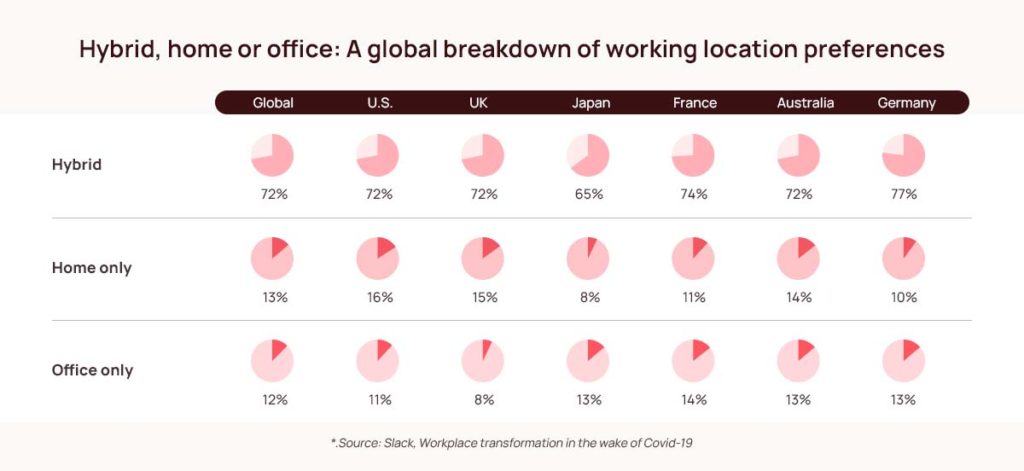
The 2021 survey analysed the views of 16,000 employees in different areas, in different roles, from 16 different countries. VMore than half (54 %) of the workers She claimed, that they would considered leaving their jobs after the COVID-19 pandemic if they were not given some form of flexibility in where and when they worked. Another survey of employers in this regard found that up to 70 % companies will maintain a hybrid work model after the pandemic. The possibility of flexible working and the digital employee experience (DEX) have never been more important for this reason too.

What is a digital workplace?
Gartner defines digital workplace Like virtual workspace that enables new, more efficient ways of working,Increases employee engagement and agility and leverages consumer-oriented styles and technologies. Very generally it is digital workplace basic set the digital tools that employees use to do their jobs.
An efficient and modern digital workplace is an environment where many elements of collaboration and productivity are carried out through some combination of digital applications, cloud computing and other technologies. Full-featured platforms should include all the applications, data, tools and collaboration features that employees need to get work done within a secure online interface that they can access from anywhere, anytime, on any device.
A truly effective digital workplace platform will enable workers to:
- collaborate with team members,
- Manage projects and tasks with full visibility,
- resolve problems, errors and service requests,
- Automate standard and repetitive business processes,
- integrate third-party applications,
- generate reports for data-driven decision-making.
"If it no longer matters where you work, but how you work, then this shift brings control, influence, empowerment and autonomy to each of us."
By Paul Miller (CEO Digital Workplace Group)
What is not a digital workplace?
- A digital workplace is not an intranet.
The corporate intranet is a private network that can only be accessed by employees who have authorized access.However, it cannot be used for active internal projects, processes or discussions.
- The digital workplace is not just a set of applications.
Just because your company uses dozens of apps to manage work doesn't mean you have a digital workplace.Many unrelated apps just create a more complicated and structured work environment.
- The digital workplace is not just a collaboration tool.
Collaboration apps are are often limited to communication. But the digital workplace also helps teams streamline processes, manage, track project status and automate repetitive tasks.
The digital workplace is not just a SaaS application that you can purchase to increase productivity and efficiency in your organisation. It isa comprehensive digital transformation strategywhich requires cultural change from within society. The digital workplace platform you use should be aligned with your organisation's digital priorities, business objectives and employee expectations to ensure automation and control.
Aspects of a modern and functional digital workplace
-
Communication
It is critical to the success of any digital workplace. The platform for communication should include both synchronous and asynchronous methods. Synchronous communication is instantaneous and is played back in real time, popular tools are Zoom or MS Teams. Asynchronous communication does not require immediate action and allows people to react or update their timeline. A widely used example is email.
-
Management
A digital work environment requires having a system to track each project, especially when coordinating employees from multiple locations. This requires a form of project management to monitor progress from start to finish; case management that allows users to collaborate through a single interface; and effective process management that can help identify inefficiencies and streamline workflows.
-
Storage
Whether on-premises on physical servers or uploaded to the cloud, having enough storage space to handle expected and unexpected workloads is an absolute necessity.
-
Data analysis
When collecting and crunching vast amounts of data is a critical job function, a strong and efficient digital backbone can increase agility, deepen innovation and strengthen competitive advantage.
-
Security
Moving critical workflows and programs online can create space for potential virtual and cyber threats. It is imperative that the digital workplace is protected from hackers and other malicious attacks.
Strategy and best practices for a successful digital workplace
Many employees are even today suspicious against changes in their organisations. In doing so, the elementary Prerequisiteom Successful digital transformation is about proper communication with employees and change management. Ultimate success digital workplace implementation and its effectiveness behindhang from thathow to him your employees align and accept him. But beyond that, there are a few strategic steps you need to take into account when implementing:
- Assess your current digital status
Before defining what needs to change, you first need to clearly understand your current digital state. You need to know what technologies you already use and howwhether they make employees more productive and give them a positive digital experience. It is also important to identify gaps between the technological needs of staff and the tools currently available. Other elements you should focus on is the interaction of existing platforms andsystems.
- Invest in your company culture
The way your workforce operates is always linked to your overall organizational culture and the company's core values. Successful organisations Know how to grasp goals, present the internal brand and company mission, facilitate two-way employee communication and encourage employee opinion sharing.
- Implement the right technology
While there are hundreds of different technologies, apps and platforms out there, remember, the foundation of a digital workplace should be that employees always have instant access to news and important information from colleagues, within the team and across the organisation. When selecting technology, pay attention to its user interface, mobile-friendliness, flexibility and the ability to connect with other solutions your employees are using.
- Appoint the right people to manage change and involve senior managers
As with any other organizational change, it is important to have a team or person leading the change and inspiring the workplace to achieve the same goals.
The biggest digital workplace trends in 2022
1. Self-service portals
Self-service portals are growing in popularity - especially for HR functions where employees can access online payslips, reschedule shifts or book holidays. Not only does this improve efficiency by reducing manual paper processes, but it also improves workflow for HR teams.
2. Personalisation
Matching the right information to the right roles or people is invaluable. So is using tools to create your own customized environments.
3. Democratised and decentralised technology services
Instead of relying on one or two people at headquarters to handle digital requirements, organizations are now choosing options with built-in tools for low-code and no-code development. This includes easy drag and drop creation of online forms, intuitive content publishing, and simple access permissions to deliver customized content to specific users.
4. The value of mobile apps
It's no surprise that mobile app features for digital workplaces are becoming increasingly relevant and in demand. Functionú as a central communication hub and entry door to the digital workplace. Employees can receive instant alerts on their phone screen (push notifications) for urgent or important updates; access contact information and central data when they are away from their desks; send work-related information as part of their tasks, such as timesheets, and access self-service areas, such as up-to-date rosters and forms, for improved productivity.
- Making the most of artificial intelligence
AI and machine learning are having the biggest impact on organisations when it comes to automating simple, repeatable processes - SOUTH AFRICA and help employees find the content, people and apps they need for their roles.
Conclusion
Today, the digital workplace is absolutely essential for increasing employee engagement, creating optimal productivity and keeping employees (and customers) happy. Your employees expect their workplaces to offer the same kind of sophisticated technology they use in their personal lives. And quality internal communication is the focus. If you want to build a modern and flexible digital workplace, your strategy must be employee-driven. If your technology doesn't empower employees, it doesn't matter how user-friendly the technology is.