
The challenge
The client operates internationally with diverse HR and financial systems that developed independently through acquisitions and local legislative frameworks. This resulted in inconsistent data management methods, different approaches to compensation, and limited transparency across entities. Together with the new European equal pay directive, this created a need not only to align processes but also to strengthen data integrity and the organization’s analytical capabilities. The main challenges included:
-
Data consolidation across entities and countries, different HR and financial systems, and the need for a unified model for comparable indicators.
-
Identification and interpretation of four key types of gaps: Pay Gap, Gender Gap, Market Gap, and Budget Gap across different data levels such as PIN, position, grade, and job domain.
-
Compliance with EU Directive 2023/970 and local reporting standards, including automated generation of outputs.
-
Evaluation of budget impacts and modeling of corrective actions with the ability to simulate different scenarios.
-
Support for solution adoption by HR and finance managers, with an emphasis on clarity, actionability, and secure handling of sensitive data.
The solution
Aspecta designed and implemented Active Equal Pay Management, combining advanced analytics with process automation. The need for such a solution arose from a complex data environment, different local methodologies, and increasing legislative requirements that called for a unified, transparent, and auditable system for managing pay equity.
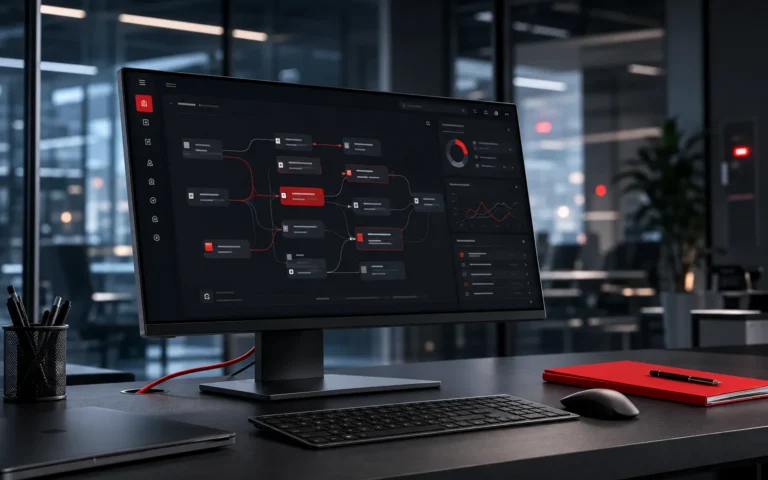
The solution uses Power BI, Power Automate, and MS SQL in Azure, integrated through REST API and HR exports.
What the system does:
-
automatically collects and processes compensation data from multiple sources such as HR systems, payroll databases, financial plans, and market benchmarks
-
consolidates and aggregates data across organizational levels and countries,
-
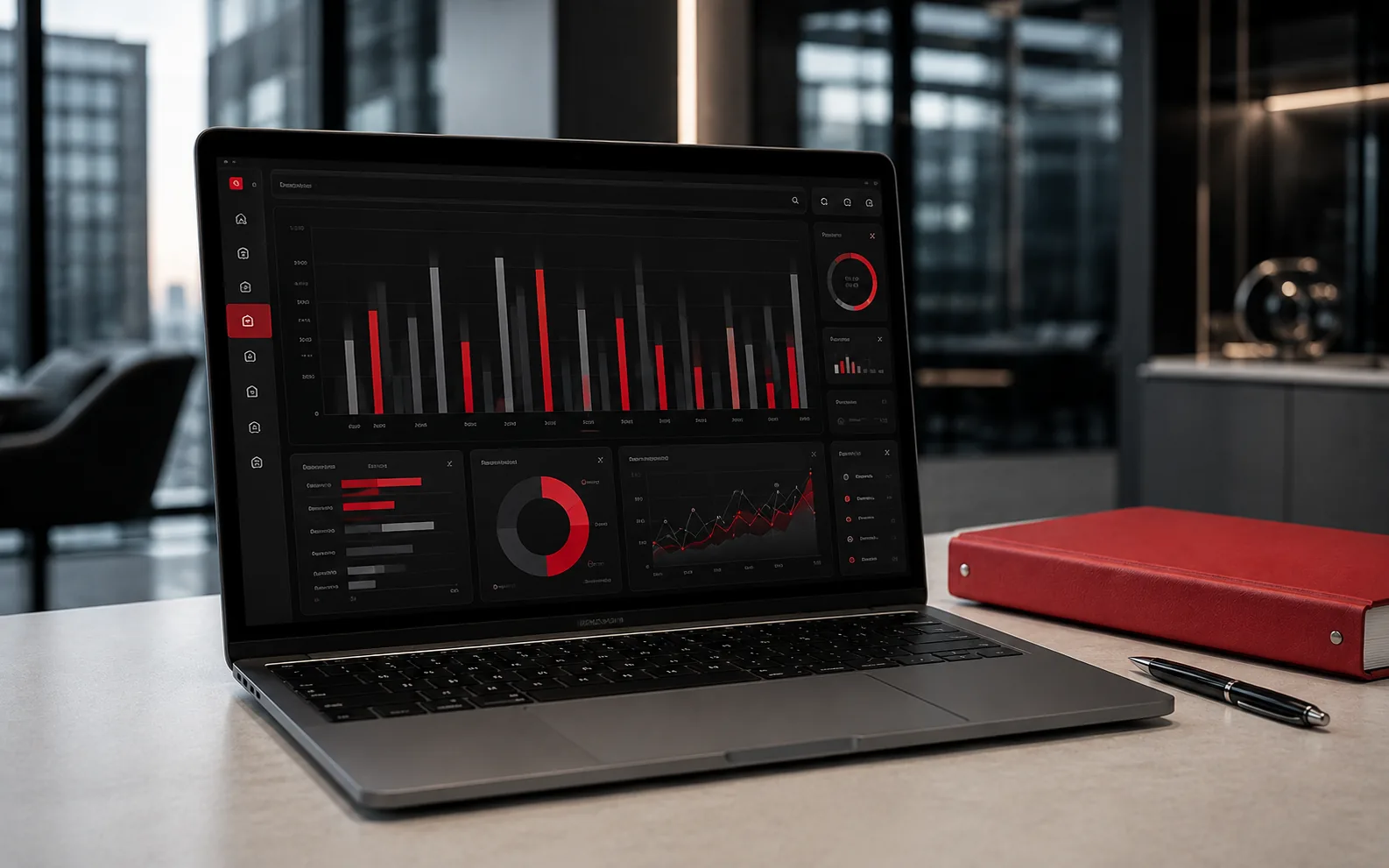
visualizes all four gap types: Pay Gap, Gender Gap, Market Gap, and Budget Gap,
-
models corrective measures and quantifies their financial impact,
-
provides exports and reporting for internal and legislative purposes.

Implementation
The project is being delivered in two main phases:
-
Pilot phase (1–2 months): deployment of the standard model, connection to data sources, and validation of calculations.
-
Customization phase (up to 4 months): extension for the client’s legislative and organizational specifics and development of simulations and financial scenarios.
The solution architecture is designed for straightforward expansion and scaling within the client’s Azure environment. The solution can also be deployed in a hybrid architecture, where some data remains in on-premises systems while the analytics layer operates in the cloud, providing flexibility and protection of sensitive information.
Results and benefits
The solution gives management:
-
Consistent KPI monitoring for pay equity across Pay Gap, Gender Gap, Market Gap, and Budget Gap.
-
The ability to model corrective measures and simulate their financial impact.
-
Transparency and legislative compliance, reducing the risk of non-compliance and reputational impact.
-
Fast reporting for internal needs and regulatory authorities.
-
A flexible architecture suitable for cloud and hybrid environments.
In a broader context, implementing Active Equal Pay Management represents a significant step toward data-driven and fair HR management. It helps the organization not only meet legislative requirements but also work strategically with compensation data, support an inclusive culture, and strengthen employee trust in transparent internal processes.
Over the long term, the organization gains not only greater efficiency and compliance but also reputational capital and a competitive advantage in the labor market.
Conclusion
Active Equal Pay Management shows that pay equity can be approached not only as a legislative obligation but also as a strategic opportunity. By connecting data, processes, and analytics, an organization can gain control over its pay structures, reduce unintended inequalities, and strengthen employee trust.
The case study also confirms that a systematic approach to fair compensation delivers measurable benefits, from more efficient decision-making and reduced risk to stronger company culture and reputation. Such a solution becomes an important pillar of sustainable and transparent human capital management.
From Aspecta’s perspective, this project demonstrates our approach to connecting technology with real business and societal challenges. By creating a robust, scalable, and secure solution, we confirmed our expertise in data integration, process automation, and cloud architecture implementation in an environment with demanding personal data protection requirements.
This project demonstrates that technical excellence and responsible data handling can drive positive change in pay equity.