

Client
Farby.sk is a Slovak e-commerce site offering paints, coatings, chemical products, thinners, and products for the home and garden. Its catalog contains thousands of items across dozens of categories, from standard masonry paints to specialized industrial chemicals.
Challenge
Customers often do not ask for a product by its exact name. They need to check availability, find a suitable alternative, verify compatibility, or understand technical parameters. A typical question is “which degreaser should I use before painting?” Standard full-text search primarily works with product names and does not directly answer these types of questions.
Farby.sk therefore needed a solution that could provide a specific answer and direct the customer to a relevant product or information.
Solution
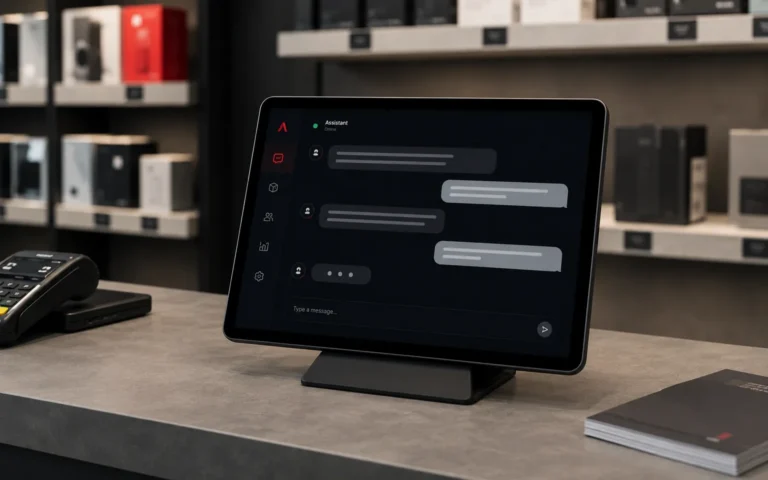
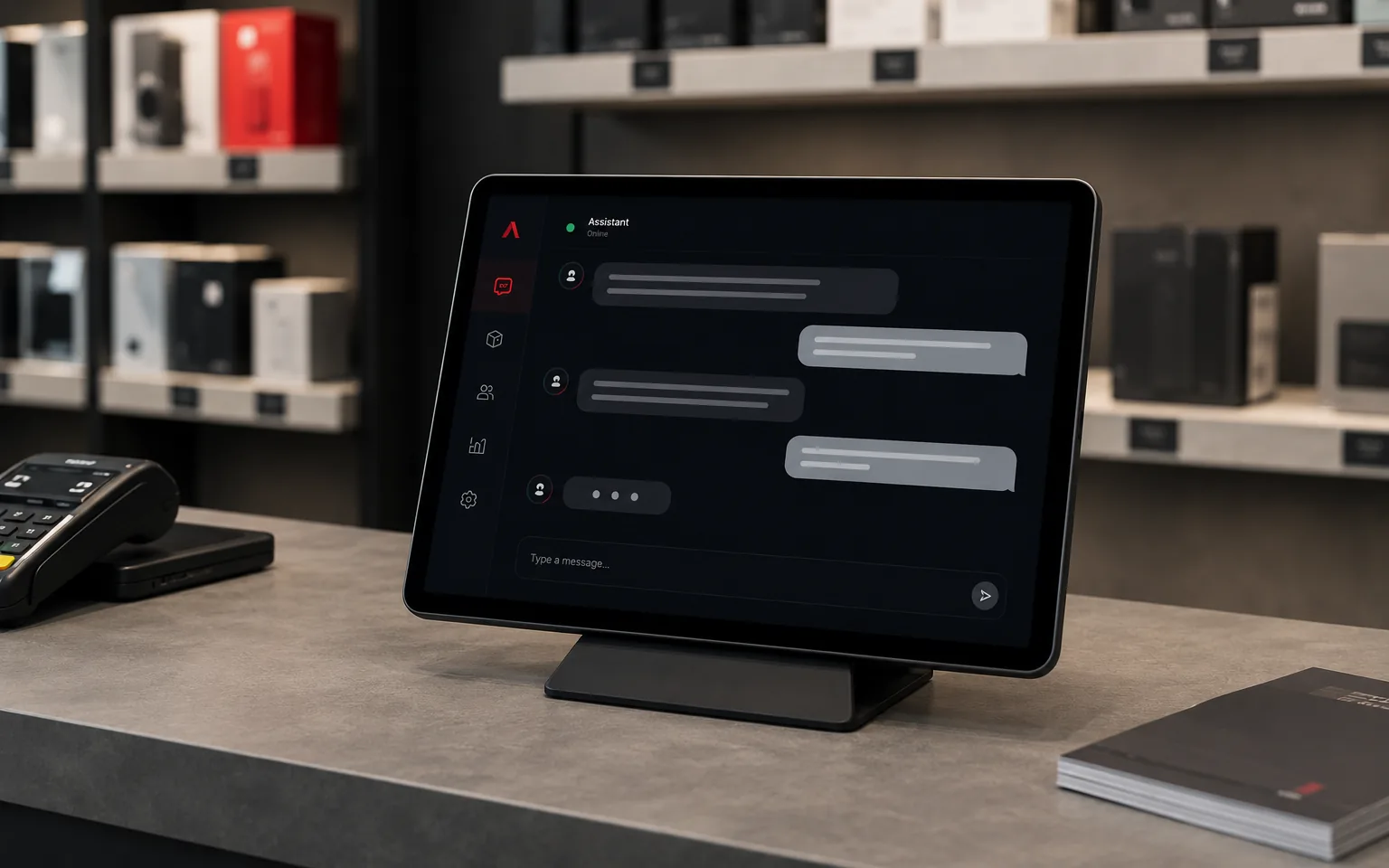
Aspecta built an AI assistant using Farby.sk product data and additional business content. We imported the product catalog from an XML feed and connected the terms and conditions, complaints policy, and store contact information to the knowledge base. The customer then easily deployed the prepared widget directly on the e-commerce site on their own.
Technology foundation: the assistant runs on AWS. Amazon Bedrock provides the Claude (Anthropic) language models, answers are based on a RAG layer over the product catalog and documents, and security guardrails protect the assistant against misuse.
After deployment, we continued to refine the XML feed, including the category structure, completeness of product descriptions, and mapping of product attributes. The client also flagged cases with unsatisfactory answers. Aspecta analyzed whether the cause was in the data or retrieval logic and prepared the appropriate adjustment. The widget has been running since fall 2025 and entered full production in March 2026.
Results
- In full production, the assistant handles an average of approximately 1,000 customer questions per month.
- The widget is available to customers around the clock and operated without outages during the first months of full production.
- When the client raised an issue from live operation, the team delivered a root cause analysis and remediation plan within a few hours.
- Further development includes the option to prioritize Farby.sk private-label products in recommendations.
Post-launch process
The client receives monthly reports and has a direct channel for feedback. Based on flagged cases, Aspecta continues to refine both the assistant’s responses and the XML feed so that the source data reflects the current e-commerce content and findings from live operation.
This case is part of the AI smart assistant case study series. Another example: ZC Strakovo.