

Run your cloud with your own team
We build your cloud organization and operating model so your team can operate the cloud independently, with clear roles, processes, and tools.

Leaders in automotive, banking, and telecommunications rely on our solutions









How we build your cloud organization
PHASE 01 / 06Strategy and architecture
An analysis of your environment and requirements, and a cloud strategy and architecture suited to your environment.
Organization and operating model
A clear structure for the cloud team, with defined roles, processes, and tools.
Infrastructure migration
Smooth migration of systems, applications, and data to the cloud with minimal impact on operations.
Optimization and centralization
Consolidating cloud services in one place for efficiency and security.
Training and knowledge transfer
Comprehensive training and mentoring so your team can manage cloud services independently.
Continuous support
Technical support during and after the migration to maintain stability and continuity.
What you gain with Cloud Transition
Full control over operations
A clear structure, processes, and tools for managing and evolving cloud environments.
More productive IT teams
Training and knowledge transfer prepare your in-house teams to run the cloud themselves.
Fewer outages
Continuous technical support helps keep the environment stable and available.
Lower IT costs
Centralizing and optimizing cloud services brings operating costs down.
Faster innovation
In-house cloud capability is a solid foundation for further digital transformation.
The challenge and our approach
- Lack of in-house capacity and cloud expertise
- The move risks interrupting operations
- Your team is not yet equipped to run the environment after migration
- Growing dependence on outside vendors
- Losing control over part of the infrastructure
- Concerns about support once the migration ends
- A cloud organization with roles, processes, and tools in place
- A robust operating model and continuous support during the migration
- Knowledge transfer through training, mentoring, and hands-on practice
- A fully operational in-house cloud organization with less reliance on external vendors
- Centralized management and monitoring in one place
- Ongoing support and continued service development
Proven in practice
Our cloud specialists have completed more than 120 projects of varying size.
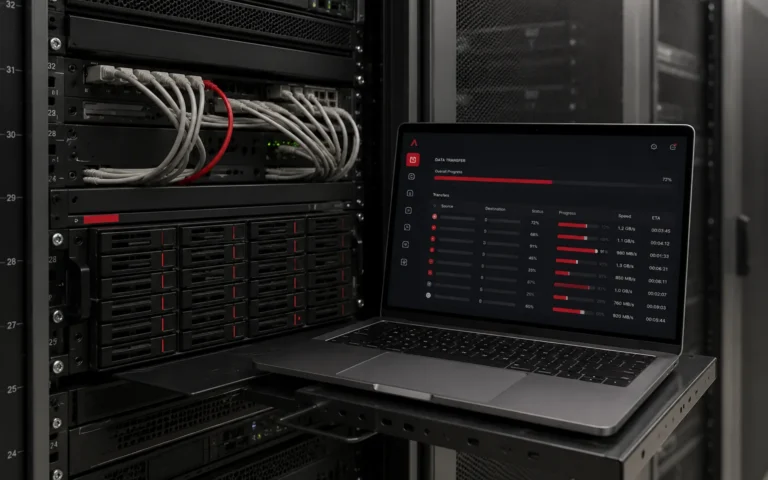
Migrating the DiAR system to Amazon RDS
99,9 % availability
system uptime in Multi-AZ mode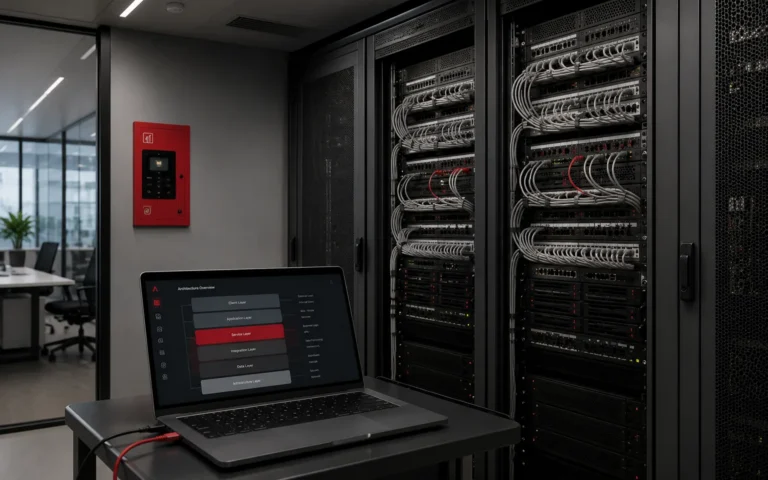
Information system design for the Slovak Environment Agency
Application and technology architecture for an information system that records, processes, and evaluates applications submitted under the Recovery Plan.
View case study
Operating CaaS (Container as a Service) for Volkswagen Group
99,9 % availability
of the container platform for critical systemsQuestions we hear most often
How long does Cloud Transition take?
Usually three to six months, from defining the strategy through migration and team training.
Which cloud environments do you support?
AWS, multi-cloud, and hybrid environments. We'll discuss your specific environment in a call with an expert.
How does the training work?
Structured training, hands-on workshops, and mentoring with our cloud specialists.
How do you handle security and compliance?
Modern security controls and compliance with GDPR, PCI-DSS, and other standards.
Will we still need outside help after the migration?
The goal is for you to run it yourselves. If you need more support, we can provide it.
Build your cloud capability
In a short call, we'll propose an operating model that enables your team to run the cloud independently. No obligation.