

Key points:
- Aspecta deployed a robust AWS cloud platform for vehicle connectivity for Volkswagen
- The platform handles 100,000 vehicles a month, with scalability and security built in
- A better customer experience through remote vehicle control (lights, heating, locking)
- A competence center was established in Slovakia to run and develop the platform
- It supported Volkswagen’s shift toward mobility services
In the current era of digital transformation, the automotive industry faces challenges and opportunities on a scale it has not seen before. Vehicle connectivity has become a decisive competitive factor, and carmakers are working to become providers of complete mobility solutions. That calls for robust cloud platforms that can process very large volumes of data in real time, keep it secure, and give users an intuitive interface.
Traditional approaches to building such systems often run into limits in scalability and flexibility. More and more companies therefore turn to cloud solutions and to partnerships with specialist IT firms that can bring the know-how and the agility they need.
The client
Volkswagen Group, one of the world’s largest carmakers, chose to address the challenges of the digital era head on. With clear ambitions in the future mobility market, the company looked for ways to integrate advanced technology into its vehicles and services. Volkswagen Group Services, a subsidiary of the group, was given responsibility for delivering that vision in IT and connectivity.
The problem
Volkswagen Group faced several key challenges in delivering its connectivity vision:
- The need for a robust cloud platform capable of connecting millions of vehicles with their users.
- Strong security for processing sensitive vehicle and user data.
- A scalable solution able to handle rapid growth in the number of connected vehicles.
- Integration of different connectivity services into one coherent system.
- A shortage of qualified cloud specialists on the Slovak job market.
Together these formed a complex problem that required not only a technical solution but a strategic approach to developing people and managing change.
Working with Aspecta, Volkswagen Group set the following project goals:
- Develop and implement a cloud platform on Amazon Web Services (AWS) for integrating and managing connectivity services.
- Handle the connection and management of around 100,000 vehicles a month.
- Implement functions such as vehicle location, management and monitoring of technical parameters, and remote control of selected vehicle functions.
- Establish a Slovak competence center to run and develop the cloud platform.
- Train and develop a new team of cloud engineers in Slovakia.
- Shift the perception of Volkswagen from a traditional vehicle manufacturer to a technology company providing mobility services.
The solution
Working closely with Volkswagen Group Services, Aspecta designed and implemented a complete solution built on Amazon Web Services (AWS). It included several key components:
- The cloud platform: a central system built on AWS that serves as the core of the infrastructure. It processes vehicle data, manages the connectivity services, and integrates with external systems.
- Vehicle location system: uses GPS and other positioning technologies to determine a vehicle’s position accurately in real time.
- Module for managing and monitoring technical parameters: collects and analyzes data on vehicle condition, enabling predictive maintenance and performance optimization.
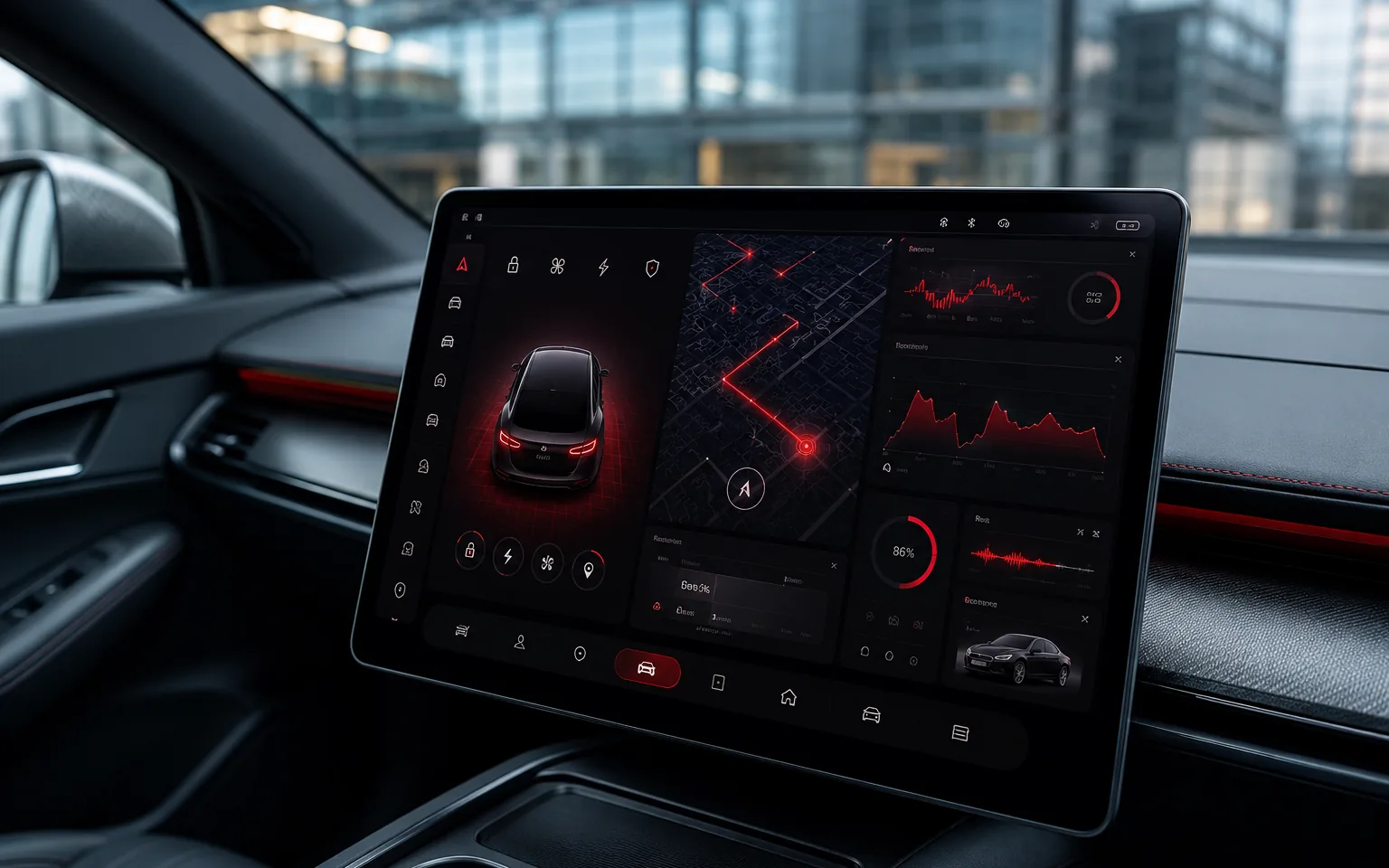
- Mobile applications: give users an intuitive interface for interacting with the vehicle, including remote control of lights, heating, and locking.
- Security layer: advanced security protocols and encryption protect sensitive user and vehicle data.
Aspecta played a key role not only in designing and implementing the technical solution but in building capability. The company provided extensive support in training and developing a new team of cloud engineers, so that Volkswagen Group Services would be able to run and develop the platform independently.
Challenges and how they were overcome
Several challenges came up during the implementation, and we addressed them as follows:
- Initial resistance from teams: one of the main challenges was initial resistance from some teams to changes in established practice. This was overcome through intensive communication and by demonstrating the concrete benefits of the new approach.
- Infrastructure complexity: the complexity of the existing VW Group infrastructure made a single approach to optimization difficult. The Aspecta team created a flexible framework adapted to the specific needs of different parts of the organization.
Results
The cloud platform for vehicle connectivity delivered significant results for Volkswagen Group:
- A Slovak competence center:
A center of excellence was created that looks after the entire cloud platform for Volkswagen Group, establishing Slovakia as an important IT location within the group. - New jobs:
The project created dozens of new IT jobs in Slovakia, contributing to the local technology ecosystem. - Scalability and performance:
The platform can process and manage the connection of around 100,000 vehicles a month, with room to grow further. - A better customer experience:
Functions such as remote control of vehicle lights, heating, and locking substantially improved convenience and customer satisfaction. - A shift in perception:
Volkswagen Group strengthened its position as an innovative technology company providing advanced mobility services. - More efficient maintenance:
Real-time monitoring of technical parameters improved predictive maintenance, which lowers costs and increases reliability.
Conclusion
The collaboration between Aspecta and Volkswagen Group is a significant milestone in the digital transformation of the automotive industry. The project delivered a new technical solution and contributed to the development of the IT sector in Slovakia.
By creating a robust cloud platform for vehicle connectivity, Volkswagen Group took a significant step toward its goals in future mobility. It also confirmed the ability of Slovak IT specialists to deliver projects of global significance.
The project stands as an example of successful collaboration between an established global company and an innovative local IT firm, pointing the way for similar initiatives in the region. Read more in this article.