

Reduce your dependence on VMware
Migrate from VMware to cloud, on-premises, or hybrid infrastructure. Gain flexibility, lower licensing costs, and reduce dependence on a single vendor.

Leaders in automotive, banking, and telecommunications rely on our solutions









Reduce dependence on a single vendor
Costs rose after the Broadcom acquisition
VMware licensing and operating costs have risen since the Broadcom acquisition.
Vendor dependence
A single technology vendor limits your flexibility and your options.
High licensing fees
Optimizing your virtualization setup helps you avoid higher licensing costs.
Our VMware migration process
PHASE 01 / 05Assessing the options
An analysis of your infrastructure, regulatory requirements, and TCO: what to migrate, what to modernize, and what to keep on-premises.
Designing the target
We design the target environment: public cloud on AWS, private cloud on Red Hat OpenShift, or a hybrid setup, with a detailed migration plan.
Migrating applications and data
A mix of lift-and-shift migration and application modernization, based on your needs and designed to minimize risk.
Team setup and training
Defining roles, building out the team where needed, and providing thorough training on the new environment.
Hypercare support
Close support through the critical phase of the rollout, typically six to eighteen months.
What you gain by migrating from VMware
A more flexible, less expensive setup
More independence and lower virtualization costs, without the increased licensing fees.
A controlled migration
Proven methods and tools keep operations running throughout the move.
A team ready to take over
We build and train a team with the skills to operate and evolve the new environment.
Regulatory compliance
Solutions designed in line with GDPR and other rules that apply to sensitive data.
End-to-end guidance
A tailored end-to-end approach, from assessment through ongoing support.
The challenges and our approach
- High licensing costs after the Broadcom acquisition
- Dependence on a single vendor
- Worries about disrupting operations during the move
- Limited in-house experience with the new technology
- Worries about regulatory compliance
- The complexity and risk of the migration
- A migration to the cloud or on-premises, and an end to expensive licenses
- More independence and the freedom to choose the right platform
- Proven methods and tools that keep operations running
- We build and train a team with the skills it needs
- Requirements assessment and a solution aligned with GDPR
- End-to-end services from the assessment to training your team
Proven in practice
Our cloud specialists have completed more than 120 projects of varying size.
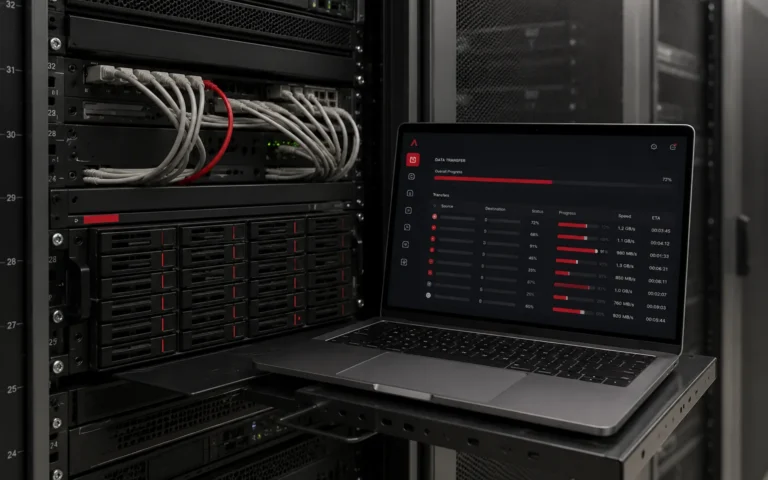
Migrating the DiAR system to Amazon RDS
99,9 % availability
system uptime in Multi-AZ mode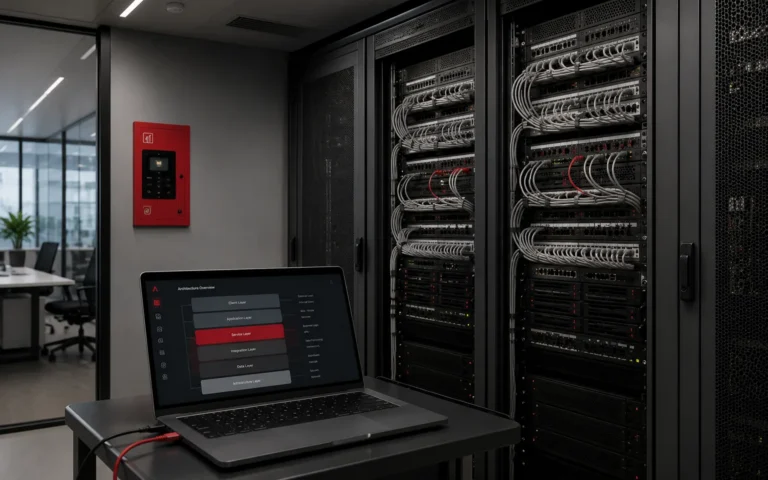
Information system design for the Slovak Environment Agency
Application and technology architecture for an information system that records, processes, and evaluates applications submitted under the Recovery Plan.
View case study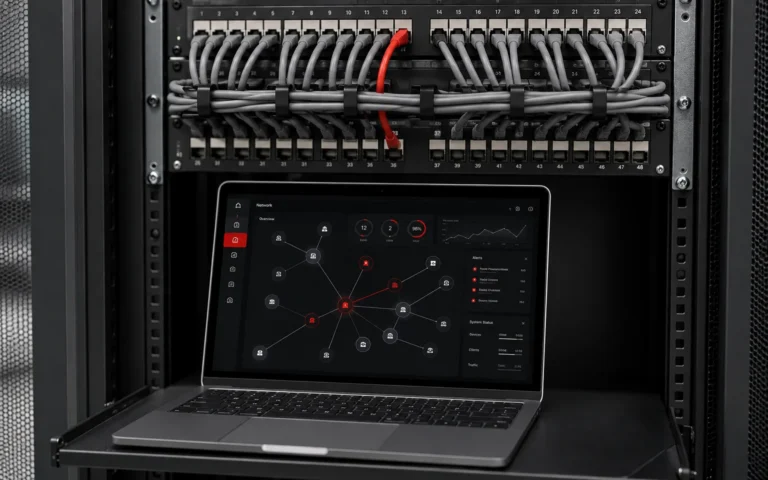
Audi optimizes network management on AWS with Aviatrix
Audi implemented Aviatrix to streamline network management on AWS, improving visibility and security across its cloud infrastructure while simplifying administration.
View case studyQuestions we hear most often
How long does a VMware migration take?
The full process usually takes six to twelve months. Migrating the data and applications typically takes two to four months.
Which platforms do you support?
Public cloud on AWS and on-premises private cloud on Red Hat OpenShift, as well as a hybrid of the two.
How do you keep operations running?
We use lift-and-shift for critical systems and modernize progressively, with the entire process planned and tested.
How do you handle regulatory compliance?
An analysis of the requirements, including GDPR, and a design that meets the standards that apply.
How does the team training work?
We identify the roles, build out or form the team, and train it through intensive courses and workshops.
Plan your move off VMware
In a short call, we'll assess your options and the TCO of the move. No obligation.