
Client
The Social Insurance Agency is one of the largest public administration institutions in Slovakia. It administers social and pension insurance for millions of citizens. The organization processes thousands of applications, submissions, and administrative tasks every day across dozens of internal systems.
Context
Public administration faces growing pressure to improve internal processes, reduce waiting times, and increase service quality for citizens without a proportional increase in operating costs. Digitalization and automation of business processes is one way to address these requirements.
At an institution the size of the Social Insurance Agency, processes can involve hundreds of steps, multiple departments, and a direct impact on services provided to citizens. A central BPM platform therefore provides a common environment for managing and automating these processes.
Problem
The Social Insurance Agency historically managed its business processes through a combination of manual steps, paper forms, and different IT systems without a unified orchestration tool. This resulted in:
- Long processing times: applications and administrative tasks went through lengthy manual approval cycles.
- Limited transparency: there was no unified view of the status of processes and tasks in progress.
- Complex adaptation to change: each legislative or organizational change required extensive manual process adjustments.
- Limited measurement: process performance could not be measured reliably, and bottlenecks were difficult to identify.
- Dependence on individual employees: critical process steps depended on individual staff members without systematic support.
Proposed solution
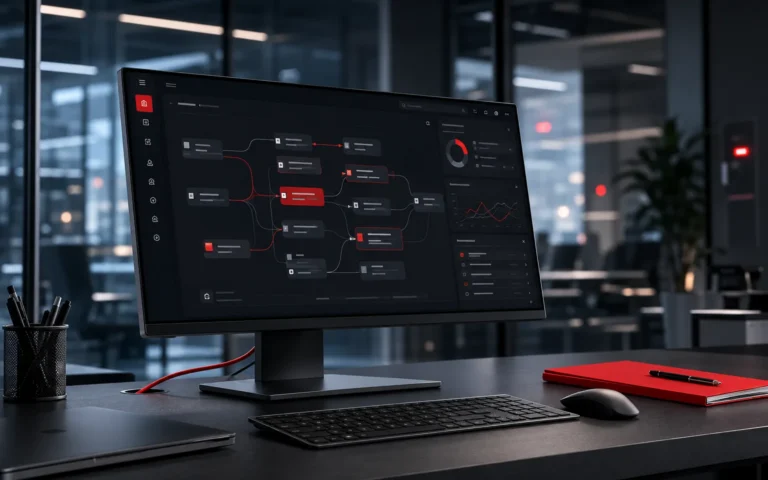
The Social Insurance Agency decided to build a central BPM platform as a unified environment for modeling, automating, and monitoring business processes across the organization.
The key principles of the solution were:
- Process standardization: processes are modeled according to the international BPMN 2.0 standard, providing a consistent basis for readability, portability, and auditability.
- Automation of routine steps: repetitive activities are automated, while human involvement remains where required.
- Integration with existing systems: the BPM platform works with the Integration Platform (API) and the Social Insurance Agency’s administrative systems.
- Operation in the internal cloud: the platform runs in the Social Insurance Agency’s Application Private Cloud (APC), meeting the security requirements of public administration.
Delivery
The project was delivered by Aspecta in cooperation with the Social Insurance Agency team as part of the BPM&API project.
Analysis and design: mapping existing processes, identifying candidates for automation, designing the target architecture of the BPM platform, and defining integration links to other Social Insurance Agency systems.
Implementation: building the platform, including the process modeling tool, automation engine, task management user interface, and connections to supporting APC services for monitoring, logging, and security.
Testing and deployment: acceptance testing of processes in the Social Insurance Agency environment and deployment to the APC production environment.
Training and documentation: training process analysts, developers, and operations staff and providing complete documentation.
Results and impact
- Shorter processing times for administrative processes through the automation of routine steps and elimination of manual delays.
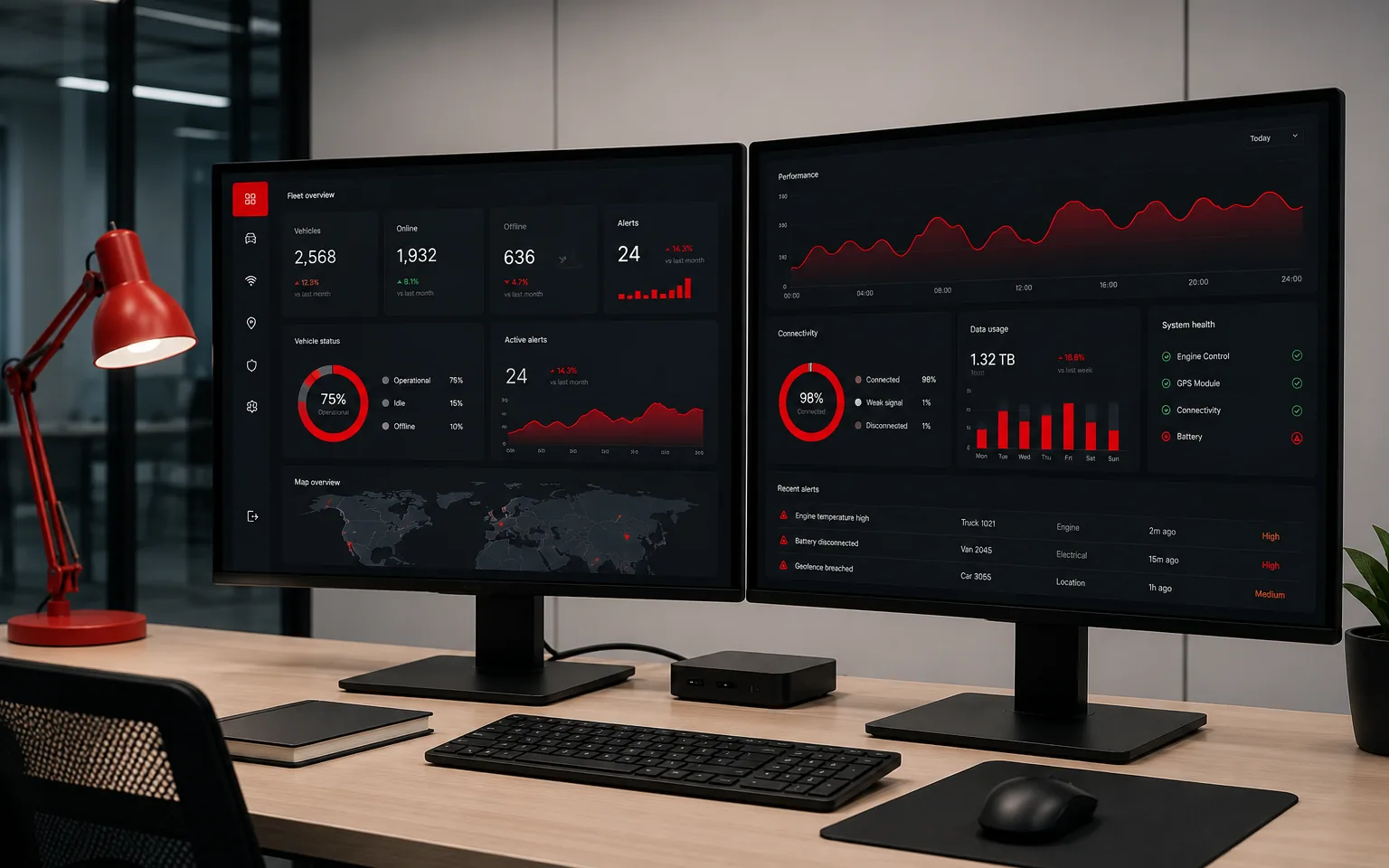
- Greater transparency: management has a real-time view of process status, team workloads, and performance metrics.
- Faster adaptation to change: modifying a process following a legislative change takes hours instead of weeks.
- Measurable performance: the platform provides data for continuous process improvement.
- A unified standard: all new processes follow the same methodology regardless of the supplier.
Conclusion
The BPM platform provides the Social Insurance Agency with a common environment for systematic digitalization and automation of business processes. Together with the Integration Platform, it provides the technological foundation for process management, response to legislative changes, improved service quality for citizens, and lower operating costs.
“The BPM&API project is a strategic initiative focused on building a unified technology solution for information system integration and process management across the organization.” (Detailed Solution Design, BPM&API project)