
The challenge
In manufacturing, maintenance is one of the most critical areas for keeping operations running smoothly and maintaining production quality. In practice, however, maintenance processes often remain partly manual and distributed across multiple teams and suppliers, without a single system for tracking performance, costs, and contractual obligations.
Limited digitization leads to lost time, inaccuracies in invoicing, and difficulty evaluating the effectiveness of maintenance activities. These challenges led the company to implement a comprehensive digital solution that automates and connects all key steps in the maintenance process.
-
Automate maintenance processes across multiple suppliers and improve transparency.
-
Provide visibility into fulfillment of contracts and tenders.
-
Reduce errors when preparing invoicing documentation.
-
Enable online approval of service activities and breakdowns.
-
Provide data for decisions about optimizing maintenance intervals.
The solution
Aspecta implemented a system for recording and managing service activities that provides digital records, approvals, and analytical evaluation of all service work performed by external suppliers. The system provides full transparency into maintenance, automates invoicing processes, and gives management detailed reporting on contract fulfillment.
Maintenance and service records
- Complete overview of planned and completed activities by equipment, tender, and supplier.
- Records of all intervention types: scheduled, preventive, and emergency maintenance.
- Ability to attach photographic documentation before and after an intervention.
- Records of the scope of completed work and findings
- Effective on-site control of service quality and scope
- Internal approval of completed work after supplier delivery.
Breakdown records
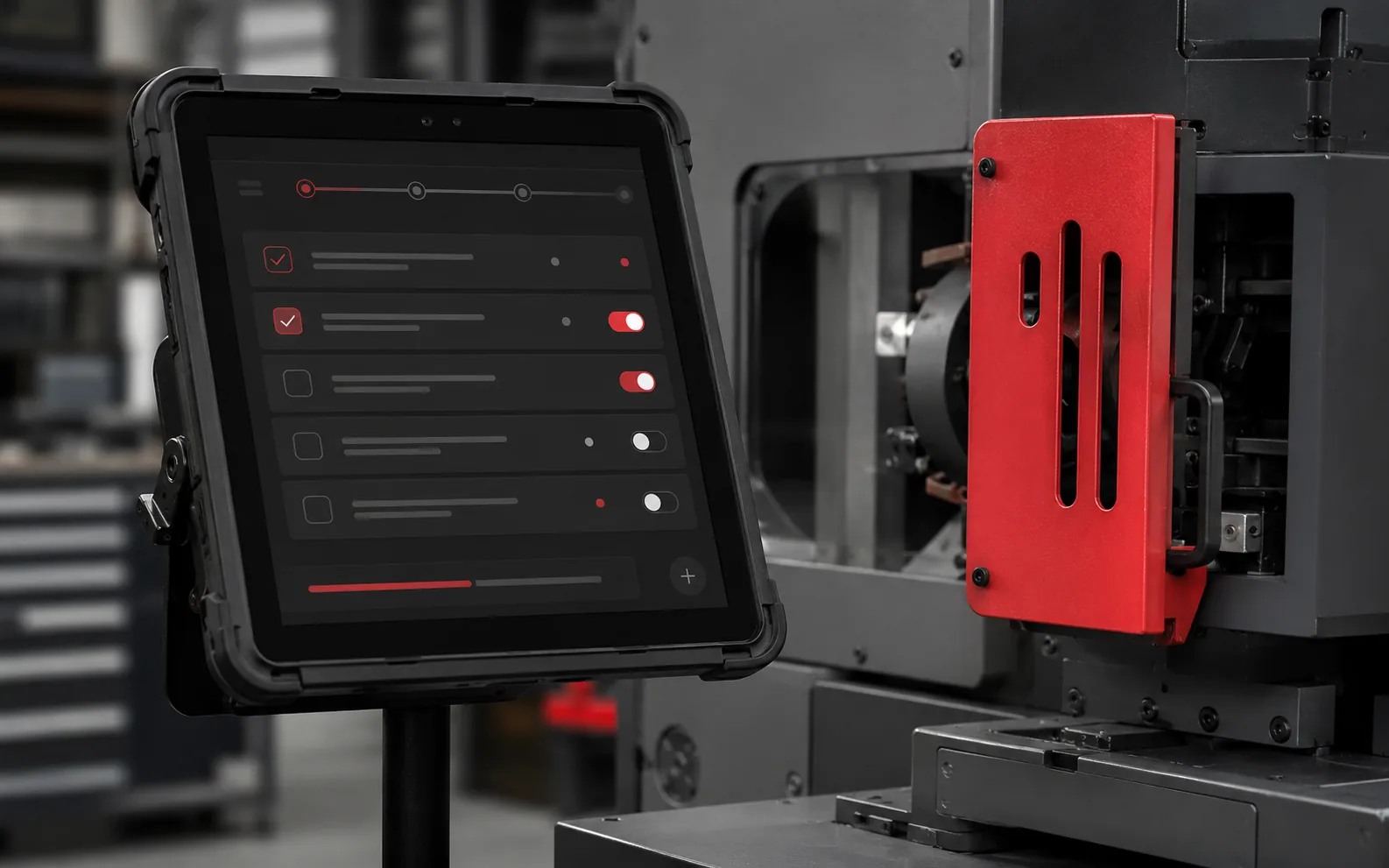
- Breakdowns can be entered quickly directly into the system.
- The supplier records the repair process and before-and-after photos, while an internal employee approves the result.
- Breakdown history makes it possible to track trends and optimize preventive maintenance
Reporting and analytics
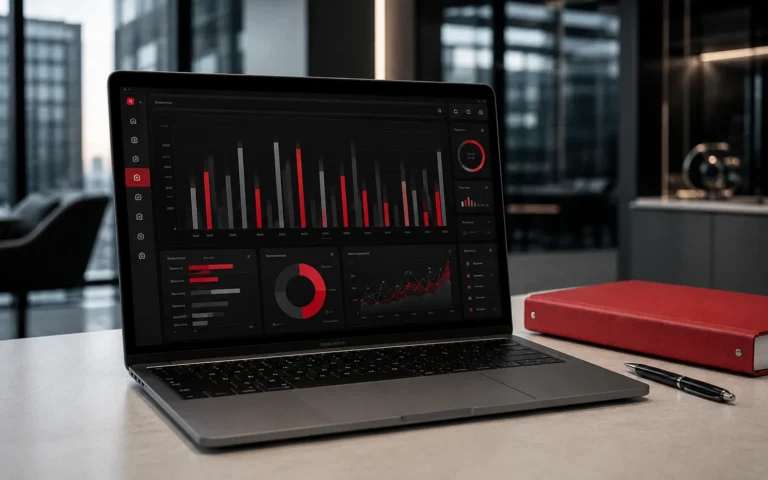
- Clear reports on supplier performance, equipment condition, and maintenance plan completion.
- Ability to evaluate maintenance efficiency and monitor breakdown trends.
- Identification of high-risk equipment and recommendations for increasing preventive maintenance frequency.
Supplier management
- Each supplier has its own access showing the equipment covered by its contract.
- For each piece of equipment:
- recorded location, location map, and photograph,
- view of all activities and maintenance history
- Ability to record completed work directly within the agreed scope of services.
- Automatic monthly summaries of activities for order and invoicing documentation
Contracts and tenders
- Equipment is linked to specific tenders and contracts with a defined maintenance scope.
- Records show whether the tender was fulfilled in full or whether activities remain outstanding.
Key benefits of the solution
- Efficient organization of maintenance work: Clearly divided responsibilities between the internal team and suppliers, with planning and records for all activities in one place.
- Effective on-site control of service quality and scope: Every intervention includes a description, findings, and before-and-after photos and goes through internal approval, helping verify that the work was completed and met the required quality.
- Higher service and delivery quality: Digitized processes and transparent records reduce inaccuracies, enable supplier comparisons, and improve the quality of services provided.
- Less emergency maintenance through effective preventive work: Properly configured and consistently performed regular maintenance reduces breakdowns, unplanned downtime, and repair costs.
- Supplier transparency and accountability: Every activity is documented, assigned to a specific supplier, and verified by an internal employee.
- Control over tender and contract fulfillment: Reports show whether services were delivered within the agreed scope and highlight missing or delayed activities.
- Data for decision-making and cost optimization: Maintenance data makes it possible to evaluate performance, identify high-risk equipment, and adjust preventive maintenance plans.
- Simpler communication and collaboration: Suppliers work directly in the system and have access to their equipment and current maintenance plans without relying on email or paper protocols.
Results
Digitizing maintenance delivers measurable and long-term benefits for manufacturing companies. Automation reduces administrative workload, improves service quality, and gives management complete visibility into costs, supplier performance, and the technical condition of equipment.
-
60% time savings when preparing monthly reports and order documentation.
-
40% fewer errors in invoicing data.
-
100% visibility into tender and contract fulfillment.
-
25% reduction in breakdowns through faster evaluation of high-risk equipment.
-
Reports generated automatically for every tender and supplier.
“We used to spend entire days collecting documentation from suppliers. Today, everything is just a few clicks away, including photos, approvals, and reports.” Head of Maintenance
Conclusion
The project showed that digitizing maintenance can fundamentally change how manufacturing companies manage service processes and communicate with suppliers. The implemented system delivered immediate time savings, improved data accuracy, and gave management tools for faster, informed decision-making.
The company gained transparent visibility into all activities and contractual obligations, turning maintenance from reactive operations into a strategically managed area. The success of the solution confirms that automation and analytics are key to long-term efficiency and stability in manufacturing operations.